
The debate around player withdrawals in franchise cricket has once again come into sharp focus after Ben Duckett pulled out of Indian Premier League 2026 at the last moment, despite being part of the marquee auction process. This development has drawn strong reactions from former India captain Sunil Gavaskar, who has called for stricter and longer bans on players who fail to honor their commitments.
Gavaskar’s stance is clear and uncompromising—players who enter the auction, agree to a contract, and then withdraw without valid reasons should face penalties extending beyond the current two-year ban. According to him, such last-minute decisions disrupt team strategies, affect auction dynamics, and undermine the integrity of the tournament.
The IPL is not just another cricket league; it is one of the most professionally run sporting events globally, governed by the Board of Control for Cricket in India. Franchises invest heavily in scouting, planning, and building their squads. When a player backs out after being picked—especially in the marquee category—it leaves teams scrambling for replacements, often compromising their balance and long-term strategy.
In the case of Ben Duckett, reports suggest that his withdrawal came after going through the auction process and being aware of the financial and professional commitments involved. This has reignited concerns about accountability among international players, particularly when national duties, workload management, or personal preferences clash with franchise leagues.
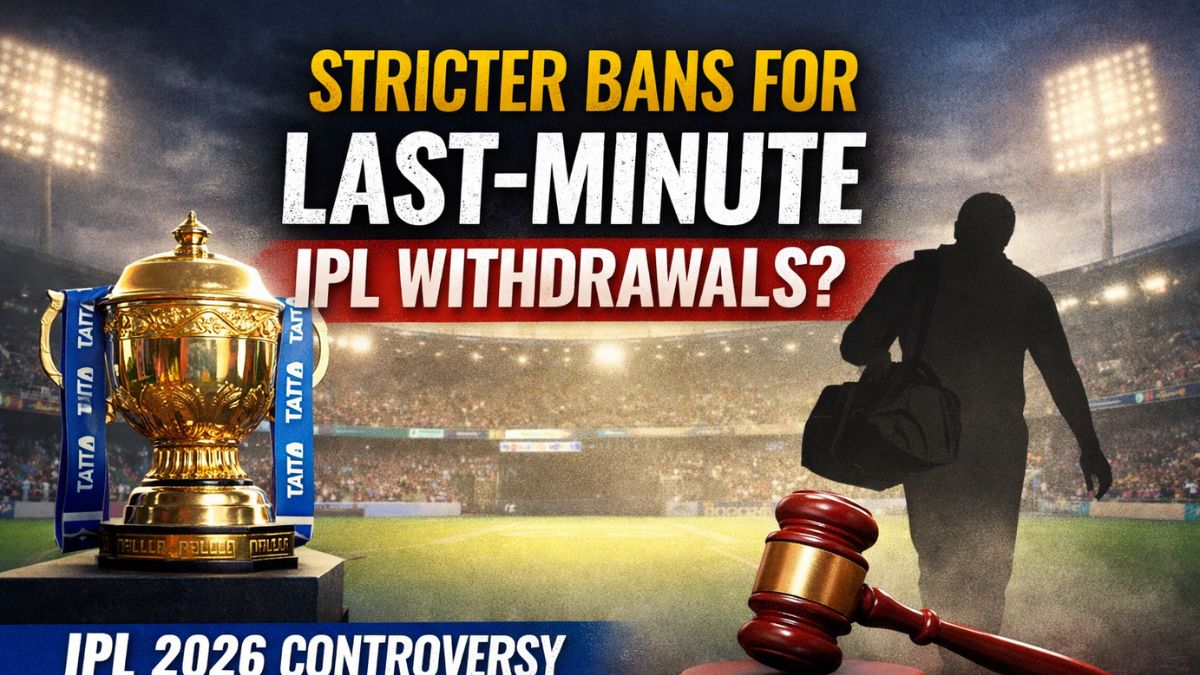
Gavaskar emphasized that stricter punishment would act as a deterrent. A ban longer than two years could force players to think twice before entering the auction pool unless they are fully committed. He also hinted that financial penalties or stricter contractual clauses could be introduced to safeguard franchise interests.
This issue is not entirely new. Over the years, several players have withdrawn from the IPL due to injuries, international schedules, or personal reasons. While genuine cases are understandable, last-minute pullouts without strong justification create uncertainty and affect the league’s credibility.
From a broader perspective, the IPL operates in a highly competitive global cricket ecosystem, where leagues in other countries are also attracting top talent. Ensuring professionalism and commitment is essential to maintain its status as the premier T20 competition.
Gavaskar’s remarks may push the BCCI and IPL governing council to revisit their policies. Whether it leads to immediate rule changes or not, one thing is certain—the message is loud and clear: commitment to the IPL must be taken seriously, and accountability should match the scale of the league.
As IPL 2026 unfolds, this controversy adds another layer of intrigue, highlighting the delicate balance between player freedom and professional responsibility in modern cricket.
| Section | Details |
|---|---|
| Topic Overview | The debate over player withdrawals has intensified after Ben Duckett pulled out of the Indian Premier League 2026 at the last moment despite being part of the marquee auction. |
| Key Reaction | Former India captain Sunil Gavaskar has strongly criticized such actions and called for stricter penalties. |
| Gavaskar’s Stand | Players who enter the auction and later withdraw without valid reasons should face bans longer than the current two-year restriction. |
| Impact on Teams | Last-minute withdrawals disrupt team strategies, force franchises to find replacements, and affect overall squad balance. |
| League Governance | The IPL is governed by the Board of Control for Cricket in India, known for its professionalism and structured operations. |
| Franchise Challenges | Teams invest heavily in scouting and planning; sudden pullouts compromise long-term strategies and auction planning. |
| Ben Duckett Case | Duckett reportedly withdrew after being aware of contractual and financial commitments, raising concerns about player accountability. |
| Underlying Issues | Conflicts between international duties, workload management, and personal preferences often lead to such withdrawals. |
| Suggested Solutions | Gavaskar proposes stricter punishments, longer bans, and possibly financial penalties or tighter contract clauses. |
| Recurring Problem | Player withdrawals are not new; past instances include exits due to injuries, schedules, or |
The post IPL 2026 Controversy: Sunil Gavaskar Calls for Tougher Punishment on Player Withdrawals appeared first on Sportzcraazy.
from Cricket News & Updates | Today Cricket Rankings | Latest Match Schedule https://ift.tt/neHW6wm
via IFTTT


0 Comments