
India’s Sports Revolution: Which Leagues Will Flourish Over the Next Five Years
India’s sports ecosystem is entering a decisive growth phase. For decades, cricket dominated public attention, sponsorship money, and media space. However, over the last ten years, the rise of franchise-based leagues, digital streaming platforms, and youth-driven fandom has transformed the sporting landscape. As we look ahead to the next five years (2026–2030), several Indian sports leagues appear well-positioned to flourish — not just in viewership, but also in commercial value, cultural relevance, and long-term sustainability.
Indian Premier League (IPL):
The Indian Premier League will continue to sit at the top of India’s sports hierarchy. It is no longer just a cricket tournament; it is a global entertainment product. With record-breaking broadcast deals, growing franchise valuations, and unmatched fan loyalty, the IPL has created a blueprint that every other league aspires to replicate.
What makes the IPL future-proof is its ability to adapt. Shorter attention spans, social-media-friendly moments, advanced analytics, and constant innovation in fan engagement keep the league relevant to younger audiences. The increasing integration of fantasy gaming, regional commentary, and digital-first consumption ensures that the IPL remains the most commercially powerful sports league in the country.
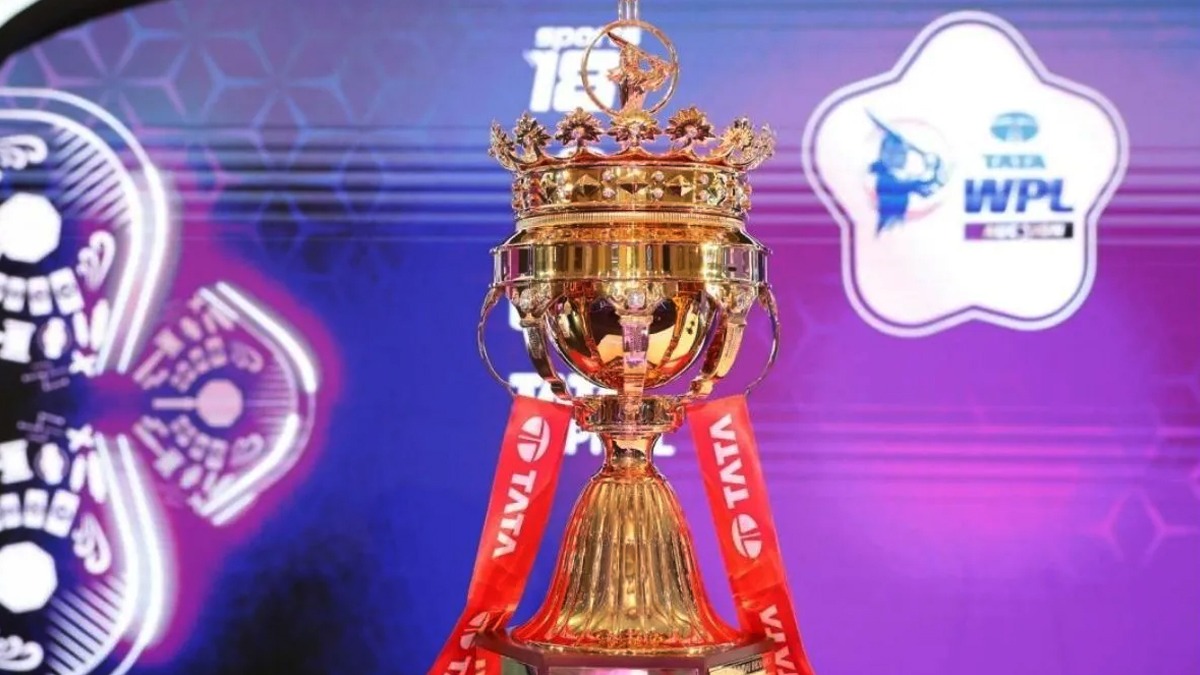
Prediction: Over the next five years, the IPL will grow further in revenue, international influence, and digital reach, remaining India’s most dominant sports property.
Pro Kabaddi League (PKL):
The Pro Kabaddi League stands as the most successful example of a non-cricket sports league in India. Kabaddi’s deep cultural roots, especially in tier-2 and tier-3 cities, give PKL a unique advantage. Unlike football or basketball, kabaddi does not require a long education process for fans — the emotional connection already exists.
PKL has succeeded by modernizing a traditional sport without stripping it of its essence. Fast matches, aggressive marketing, regional heroes, and local language storytelling have helped it maintain strong television and digital audiences. Importantly, several franchises have reported stable financial performance, suggesting long-term viability.
Prediction: PKL will continue to flourish as India’s biggest non-cricket league and may expand its footprint further through grassroots development and digital content.
Women’s Premier League (WPL):
The Women’s Premier League is emerging as one of the most exciting developments in Indian sports. Backed by the same ecosystem that built the IPL, WPL benefits from strong infrastructure, marketing, and broadcast support. More importantly, it arrives at a time when women’s sports are finally receiving mainstream recognition.
Indian women cricketers are already household names, and their performances at international events have created a strong emotional bond with fans. Brands increasingly view women’s sports as both a commercial and cultural investment, aligning with progressive values and long-term audience growth.
Prediction: Over the next five years, the WPL will establish itself as a major standalone league, potentially becoming the most successful women’s sports league in Asia.
Indian Super League (ISL):
Football in India enjoys passionate support, especially among younger audiences. The Indian Super League was designed to professionalize and commercialize Indian football, and it has achieved moments of success. However, governance issues, scheduling challenges, and commercial uncertainty have slowed its growth.
Despite these challenges, football’s global appeal remains a strong advantage. If structural reforms are implemented, grassroots pathways are strengthened, and financial clarity is restored, ISL can still grow into a stable league.
Prediction: ISL will survive and maintain a niche but loyal fanbase. Its long-term growth will depend heavily on administrative stability and investment confidence.
Traditional Sports Leagues:
Leagues based on indigenous Indian sports are emerging as an important growth segment. Ultimate Kho Kho is a strong example of how traditional games can be packaged for modern audiences. With fast-paced action, short match durations, and high-energy presentation, such leagues appeal strongly to digital-first viewers.
These sports benefit from low infrastructure costs, wide grassroots participation, and strong cultural identity. When combined with influencer marketing and regional storytelling, they can build sustainable viewership even without massive budgets.
Prediction: Traditional sports leagues will not match IPL or PKL in scale, but they will flourish steadily, creating loyal niche audiences and opening new commercial avenues.
Niche and Experimental Leagues: Chess, Rugby, and More
India is also witnessing the rise of niche sports leagues that target specific audiences. Chess leagues, in particular, are redefining how mental sports are consumed, presenting matches as entertainment products with team formats and global stars. Similarly, rugby and combat sports leagues are experimenting with shorter formats to attract younger viewers.
These leagues thrive on digital platforms rather than traditional television and often attract urban, globalized audiences. Their success depends on innovation, storytelling, and community building rather than mass appeal.
Prediction: Niche leagues will grow as digital-first properties, becoming influential within their segments rather than mainstream mass-market leagues.
Conclusion: A Multi-League India by 2030
By 2030, Indian sports will no longer be defined by a single league or a single sport. The IPL will continue to dominate, but leagues like PKL and WPL will strengthen India’s multi-sport identity. Traditional sports will find renewed relevance, while niche leagues will push innovation in how sports are consumed.
The future of Indian sports lies in diversification, digital engagement, and cultural connection. Leagues that understand their audience, tell compelling stories, and build sustainable ecosystems will flourish — regardless of whether they belong to cricket or not.
Indian Sports Leagues: Growth Outlook (2026–2030)
| Category | Details |
| League Name | Indian Premier League (IPL) |
| Current Status | India’s most dominant and valuable sports league |
| Core Strength | Global entertainment product, unmatched fan loyalty |
| Key Growth Drivers | Record broadcast deals, franchise valuations, digital-first consumption |
| Fan Engagement | Fantasy gaming, regional commentary, social-media-friendly moments |
| Youth Appeal | Strong, driven by innovation and short-format entertainment |
| Commercial Outlook | Highest revenue and international influence |
| Five-Year Prediction | Will continue as India’s most powerful sports property |
| Category | Details |
| League Name | Pro Kabaddi League (PKL) |
| Current Status | Strongest non-cricket league in India |
| Cultural Advantage | Deep roots in tier-2 and tier-3 cities |
| Fan Connection | Emotional and natural, no learning curve required |
| Format Strength | Fast matches, regional heroes, local storytelling |
| Financial Health | Stable franchise performance, long-term viability |
| Growth Opportunity | Grassroots development and digital expansion |
| Five-Year Prediction | Will remain India’s top non-cricket league |
| Category | Details |
| League Name | Women’s Premier League (WPL) |
| Current Status | Fastest-rising sports league in India |
| Ecosystem Support | Backed by IPL-level infrastructure and marketing |
| Cultural Timing | Growth of women’s sports and mainstream acceptance |
| Player Recognition | Indian women cricketers are household names |
| Brand Interest | Viewed as both cultural and commercial investment |
| Regional Impact | Potential to lead women’s sports in Asia |
| Five-Year Prediction | Will become Asia’s most successful women’s league |
| Category | Details |
| League Name | Indian Super League (ISL) |
| Current Status | League with strong potential but instability |
| Fan Base | Passionate youth-driven football audience |
| Key Challenges | Governance issues, scheduling, commercial uncertainty |
| Global Advantage | Football’s worldwide popularity |
| Growth Requirement | Structural reforms and administrative stability |
| Sustainability Outlook | Depends on investment confidence |
| Five-Year Prediction | Will survive with a loyal niche fanbase |
| Category | Details |
| League Type | Traditional Sports Leagues (e.g., Ultimate Kho Kho) |
| Growth Nature | Slow but steady |
| Core Strength | Cultural identity and grassroots participation |
| Infrastructure Cost | Low compared to global sports |
| Audience Appeal | Digital-first and regional audiences |
| Content Style | Fast-paced, short-duration formats |
| Commercial Scale | Smaller than IPL/PKL but sustainable |
| Five-Year Prediction | Will build loyal niche audiences |
| Category | Details |
| League Type | Niche & Experimental Leagues (Chess, Rugby, Combat Sports) |
| Target Audience | Urban, globalized, digital-first viewers |
| Consumption Platform | Primarily digital, not TV-dependent |
| Innovation Factor | Team formats, storytelling, short formats |
| Community Building | Key to long-term survival |
| Mass Appeal | Limited |
| Influence | High within specific segments |
| Five-Year Prediction | Will grow as influential niche properties |
| Category | Details |
| Overall Outlook | Indian Sports Ecosystem by 2030 |
| Dominant League | IPL |
| Strong Pillars | PKL and WPL |
| Cultural Revival | Traditional Indian sports |
| Innovation Drivers | Niche and digital-first leagues |
| Key Growth Factors | Diversification, storytelling, digital engagement |
| Defining Feature | Multi-sport identity |
| Final Conclusion | India will no longer be a single-league sports nation |
The post Future of Indian Sports League in Next 5 Years? Facts in Detail appeared first on Sportzcraazy.
from Cricket News & Updates | Today Cricket Rankings | Latest Match Schedule https://ift.tt/UjaDzec
via IFTTT


0 Comments