
The Indian Cricket in Test Cricket seems like they have lost their charm in the longest format of the game and it seems that they have lost their charm also they are somehow struggling to win games.
Here in this article we will possible tell you some of the best reasons on Why Indian Cricket is struggling to do well in Test Cricket let us share the same in detail:
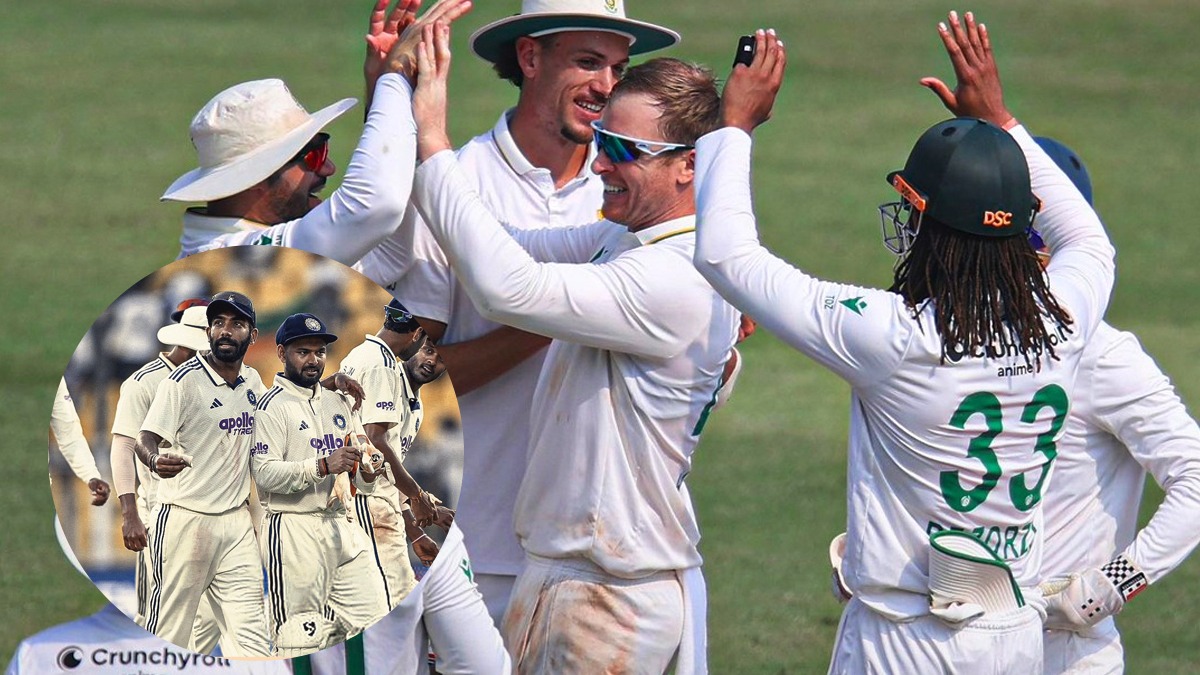
1. The experienced players including the likes of- Rohit Sharma and Virat Kohli have retired from the Sport, so the team is going through transformation so someone coming up new is most likely to take time in order to get settled.
2. Indian team is somehow struggling to find their groove, also the combinations doesn’t seem to work for them in the crunch phase of the game makes it more vulnerable.
3. Gautam Gambhir (Head Coach) Template where there is a constant shuffling at crucial positions makes them more vulnerable as someone Like Sai Sudharshan who have been trusted a lot couldn’t do justice to his talent and they are struggling big time.
4. Indian Team losing two back to back series at Home exposes their inability to play spin bowling and they need to work on that regard which in itself is a usual suspect as we have hardly seen Men in Blue struggling at home due to inability to play shots on turning track.
5. Indian team also not playing current brand of Test Cricket, which is required to play in Modern day so they would need to do well in crunch moments of the game.
6. Indian Team mindset at the moment especially batters it seems that they only want to T20 Cricket no one is grinding hard also the kind of pitches Indian team select for playing is also under serious question.
7. The Selection some of the stalwarts including Mohammad Shami who is fit and raring to go doesn’t make any sense at all as Stakeholders it’s our right to ask these questions about what is going wrong for Indian team why the players like Sarfaraz, Abhimanyu Easwarana and Shami aren’t getting chances in the longer format which they deserve to play.
8. Overall there should be certain template change once they get the chord right they need to stick with the same tempalate so that they can get success at International level on regular basis.
9. Indian Cricket inability to adapt pressure situations also planning wise they are lacking difficult it seems strange considering the depth and investment they are getting on regular basis.
10. Overall Indian Cricket need to take time when it comes to understanding psychology but they need to identify players who could make mark in the longest format of the game and do wonders when it mattered the most.
| Point | Description |
|---|---|
| 1 | Experienced players like Rohit Sharma and Virat Kohli have retired, leading to a transition phase where new players need time to settle. |
| 2 | The Indian team is struggling to find the right groove and effective combinations, especially during crunch moments. |
| 3 | Gautam Gambhir’s coaching template includes constant shuffling, making the team unstable; players like Sai Sudharsan haven’t justified the trust placed in them. |
| 4 | Losing two back-to-back home series exposes India’s unusual struggle against spin on turning tracks—an area where they traditionally dominated. |
| 5 | India is not adapting to the modern brand of Test cricket and is failing to perform in crucial phases. |
| 6 | The batting mindset appears T20-oriented; players aren’t grinding, and pitch selections are also under scrutiny. |
| 7 | Questionable selections—players like Mohammad Shami (fit), Sarfaraz Khan, and Abhimanyu Easwaran aren’t getting deserved opportunities. |
| 8 | India needs a stable template; once identified, they must stick with it to achieve consistent international success. |
| 9 | The team is failing to adapt under pressure, and planning seems weak despite the depth and heavy investment in Indian cricket. |
| 10 | India must invest time in psychological understanding and identify players capable of excelling in the longest format when it matters most. |
More Details About India vs South Africa and Test Cricket Approach by Indian Cricket in Detail:
Why Indian Cricket Is Struggling in Test Cricket: A Deep-Dive Analysis??
For over a decade, Indian cricket has been synonymous with dominance across formats—especially in Test cricket, where the Men in Blue built a reputation of being unbeatable at home and fiercely competitive overseas. However, the recent performances paint a completely different picture. India suddenly looks like a side searching for answers, direction, and identity in the longest format of the game.
From losing back-to-back home series to failing in crunch situations, the Indian Test setup appears to have lost its charm and balance. The fire, discipline, and consistency that once defined India’s Test cricket seem to be fading, leaving fans and experts questioning what exactly has gone wrong.
In this long-form analysis, we explore the key reasons behind India’s unexpected decline in Test cricket, examining every factor that has contributed to this downward spiral.
1. End of an Era: Retirement of Senior Players Has Triggered an Unavoidable Transition Phase
The retirement of stalwarts like Rohit Sharma and Virat Kohli has created a massive leadership and experience vacuum. Losing two modern-day greats who shaped Indian cricket for nearly 15 years cannot be overcome overnight. Their presence wasn’t just about runs—they brought authority, poise, and unmatched cricketing intellect to the team.
Any team undergoing such generational change is bound to face turbulence. New players entering the Test setup need time—not just to prove themselves, but also to understand the complexities of playing the longest format at the highest level. Test cricket is a mental battle as much as it is a technical one, and expecting young players to seamlessly replace giants is unrealistic.
The transition phase India is currently experiencing is natural, but the challenge lies in managing it wisely. Without strong mentors, consistent backing, and proper long-term planning, the team risks losing stability for several seasons.
2. The Team Is Struggling to Find the Right Groove and Balanced Playing Combinations
One of India’s biggest strengths in the past decade was their ability to consistently field balanced, well-structured playing XIs. Whether at home or away, the combinations clicked beautifully.
But today, the team looks unsettled.
The cohesion is broken.
Even when individual performances shine, the collective unit is not functioning smoothly. During critical phases—such as the final hour of a session or pressure situations in the fourth innings—the team’s structure appears weak. Combinations that looked promising on paper have failed on the field, exposing India’s struggle to adapt on the go.
This inconsistency has made India increasingly vulnerable against well-prepared opponents who thrive on exploiting every opening.
3. Gautam Gambhir’s Coaching Approach: Constant Shuffling Has Affected Stability
Under Gautam Gambhir’s leadership as head coach, one prominent criticism has surfaced repeatedly: too much chopping and changing.
Frequent experimentation at important batting positions has disrupted continuity. Players like Sai Sudharsan, who were trusted heavily, haven’t yet delivered consistent results. Instead of strengthening the team, the constant reshuffling has created doubt, insecurity, and a lack of clarity within the squad.
Test cricket thrives on stability.
A settled middle order.
Reliable openers.
A balanced bowling unit.
But when positions keep changing and players are switched frequently, it affects momentum and confidence. Gambhir’s aggressive or unconventional template might work in shorter formats, but Test cricket demands patience, consistency, and long-term planning.
4. Back-to-Back Home Series Losses Reveal India’s Declining Confidence on Turning Tracks
Historically, beating India at home was considered one of the hardest challenges in world cricket. But losing consecutive Test series on Indian soil has raised serious alarm bells.
The biggest shock?
India’s struggle against spin on their own turning tracks.
This was once the team’s strongest area, but recent performances show:
Difficulty playing traditional spin
Poor shot selection on rank turners
Inability to build partnerships under spinning pressure
Opponents have read India’s weaknesses better than India themselves. A team that once dominated on dust bowls now looks uncomfortable, tentative, and unsure against quality spin.
This unusual weakness indicates deeper structural issues—technical lapses, inadequate preparation, and lack of mental toughness on slow, turning surfaces.
5. Not Evolving with the Modern Brand of Test Cricket
Modern Test cricket has changed dramatically.
Teams like England under Brendon McCullum and Australia under Pat Cummins have shown that adaptability, innovative thinking, and positive intent can redefine success. The pace of scoring, strategic declarations, attacking fields, and bold risk-taking are now essential parts of Test cricket.
India, unfortunately, seems stuck in a conservative shell.
While other teams have embraced a more dynamic style of play, India remains hesitant. In crunch moments, the lack of modern Test instincts—whether through scoring bursts, counterattacking partnerships, or smart tactical shifts—has cost them dearly.
By refusing to evolve, India has unintentionally fallen behind.
6. Lack of Desire in Indian Test Cricket:
For over a decade, Indian cricket has been synonymous with dominance across formats—especially in Test cricket, where the Men in Blue built a reputation of being unbeatable at home and fiercely competitive overseas. However, the recent performances paint a completely different picture. India suddenly looks like a side searching for answers, direction, and identity in the longest format of the game.
From losing back-to-back home series to failing in crunch situations, the Indian Test setup appears to have lost its charm and balance. The fire, discipline, and consistency that once defined India’s Test cricket seem to be fading, leaving fans and experts questioning what exactly has gone wrong.
In this long-form analysis, we explore the key reasons behind India’s unexpected decline in Test cricket, examining every factor that has contributed to this downward spiral.6. A T20 Mindset Has Overtaken the Test Approach of Indian Batters
One worrying trend is the T20-style mindset seeping into India’s batting approach. With the IPL dominating the calendar and mindset of modern players, the art of batting long sessions appears to be fading.
Signs of this shift include:
-
Impatience at the crease
-
Poor shot selection in pressure moments
-
Lack of desire to grind sessions
-
Reduced focus on building innings over hours
Additionally, the pitch selections have also come under scrutiny. Overly spin-friendly tracks or ultra-flat surfaces affect both preparation and mindset. When the focus moves from playing long innings to quick scoring or survival, the essence of Test match batting gets lost.
7. Selection Issues: Inexplicable Exclusion of Proven Talent
Several selection decisions have left fans confused and frustrated.
Why is Mohammad Shami, fit and ready, consistently ignored in Test selections?
Why aren’t deserving domestic performers like Sarfaraz Khan or Abhimanyu Easwaran given sustained opportunities?
Ignoring in-form domestic stars weakens the bench strength and sends a negative message to the cricketing ecosystem. When performance in domestic cricket isn’t rewarded, motivation drops—leading to stagnation.
Indian cricket has always thrived when selection was merit-based.
Right now, that clarity appears to be missing.
8. Need for a Clear and Consistent Template
A successful Test team operates with a clear blueprint.
During India’s peak years, the template was simple:
Strong top order
Solid middle order
Two dependable spinners
Two quality pacers
Consistent selection across series
Today, that template is absent.
Once India identifies the right combination, they must stick with it without unnecessary experimentation. Only then will players develop confidence, rhythm, and long-term consistency. Constantly changing strategies derails progress and prevents the team from building a winning identity.
9. Lack of Composure in Pressure Situations and Weak Tactical Planning
Another major concern is India’s inability to handle pressure effectively. Even teams with far fewer resources have recently outperformed India when it truly mattered.
The problem is not talent—India has world-class potential in every department.
The issue is planning, execution, and game awareness.
Despite massive financial investment, cricketing infrastructure, and analytics support, India’s on-field decision-making seems surprisingly weak at times. Whether it’s field placements, bowling changes, or chase strategies, the team appears hesitant and tactically off-balance.
This lack of clarity in the toughest moments differentiates good teams from great ones.
10. Need for Psychological Strength and Identifying True Red-Ball Specialists
Test cricket is not just a physical sport—it is mentally exhausting, demanding hours of concentration, patience, and resilience. India needs players who are psychologically built for this format.
Not every talented cricketer is suited for Test cricket.
Selectors must identify:
Players who can bat long
Bowlers who can sustain long spells
Individuals who thrive in difficult conditions
Mentally strong performers
Once this group is identified, they should be backed relentlessly. Indian cricket must focus on nurturing natural red-ball specialists who can deliver match-defining performances when the situation demands.
Final Perspective: A Roadmap for India’s Test Resurrection
Indian cricket is not in crisis—but it is at a crucial crossroads.
The charm of the past has faded, but it can be regained.
To rise again in Test cricket, India must:
Build a stable long-term template
Reward performers from the domestic circuit
Modernize their Test cricket approach
Strengthen the mental resilience of players
Reduce selection inconsistencies
Allow new leaders to grow without excessive pressure
With the right blend of patience, planning, and belief, India can rediscover its lost mojo in the longest format and once again become an unstoppable force in Test cricket.
Vertical Table: Why Indian Cricket Is Struggling in Test Cricket
| Point No. | Detailed Explanation |
|---|---|
| 1. End of an Era: Retirement of Senior Players Has Triggered an Unavoidable Transition Phase | The retirement of stalwarts like Rohit Sharma and Virat Kohli has created a massive leadership and experience vacuum. Losing two modern-day greats who shaped Indian cricket for nearly 15 years cannot be overcome overnight. Their presence wasn’t just about runs—they brought authority, poise, and unmatched cricketing intellect to the team. Any team undergoing such generational change is bound to face turbulence. New players entering the Test setup need time—not just to prove themselves, but also to understand the complexities of playing the longest format at the highest level. Test cricket is a mental battle as much as it is a technical one, and expecting young players to seamlessly replace giants is unrealistic. The transition phase India is currently experiencing is natural, but the challenge lies in managing it wisely. Without strong mentors, consistent backing, and proper long-term planning, the team risks losing stability for several seasons. |
| 2. The Team Is Struggling to Find the Right Groove and Balanced Playing Combinations | One of India’s biggest strengths in the past decade was their ability to consistently field balanced, well-structured playing XIs. Whether at home or away, the combinations clicked beautifully. But today, the team looks unsettled. The cohesion is broken. Even when individual performances shine, the collective unit is not functioning smoothly. During critical phases—such as the final hour of a session or pressure situations in the fourth innings—the team’s structure appears weak. Combinations that looked promising on paper have failed on the field, exposing India’s struggle to adapt on the go. This inconsistency has made India increasingly vulnerable against well-prepared opponents who thrive on exploiting every opening. |
| 3. Gautam Gambhir’s Coaching Approach: Constant Shuffling Has Affected Stability | Under Gautam Gambhir’s leadership as head coach, one prominent criticism has surfaced repeatedly: too much chopping and changing. Frequent experimentation at important batting positions has disrupted continuity. Players like Sai Sudharsan, who were trusted heavily, haven’t yet delivered consistent results. Instead of strengthening the team, the constant reshuffling has created doubt, insecurity, and a lack of clarity within the squad. Test cricket thrives on stability. A settled middle order. Reliable openers. A balanced bowling unit. But when positions keep changing and players are switched frequently, it affects momentum and confidence. Gambhir’s aggressive or unconventional template might work in shorter formats, but Test cricket demands patience, consistency, and long-term planning. |
| 4. Back-to-Back Home Series Losses Reveal India’s Declining Confidence on Turning Tracks | Historically, beating India at home was considered one of the hardest challenges in world cricket. But losing consecutive Test series on Indian soil has raised serious alarm bells. The biggest shock? India’s struggle against spin on their own turning tracks. This was once the team’s strongest area, but recent performances show: • Difficulty playing traditional spin • Poor shot selection on rank turners • Inability to build partnerships under spinning pressure. Opponents have read India’s weaknesses better than India themselves. A team that once dominated on dust bowls now looks uncomfortable, tentative, and unsure against quality spin. This unusual weakness indicates deeper structural issues—technical lapses, inadequate preparation, and lack of mental toughness on slow, turning surfaces. |
| 5. Not Evolving with the Modern Brand of Test Cricket | Modern Test cricket has changed dramatically. Teams like England under Brendon McCullum and Australia under Pat Cummins have shown that adaptability, innovative thinking, and positive intent can redefine success. The pace of scoring, strategic declarations, attacking fields, and bold risk-taking are now essential parts of Test cricket. India, unfortunately, seems stuck in a conservative shell. While other teams have embraced a more dynamic style of play, India remains hesitant. In crunch moments, the lack of modern Test instincts—whether through scoring bursts, counterattacking partnerships, or smart tactical shifts—has cost them dearly. By refusing to evolve, India has unintentionally fallen behind. |
| 6. Lack of Desire in Indian Test Cricket & T20 Mindset in Batting | For over a decade, Indian cricket dominated across formats, especially in Tests. But recent performances reflect a team searching for identity and direction. The fire, discipline, and consistency once associated with India’s red-ball game seem to be fading. A major reason is the growing T20 mindset: • Impatience at the crease • Poor shot selection in pressure moments • Lack of desire to grind long sessions • Reduced focus on building long innings. Pitch selection—either too flat or too spin-heavy—has also contributed to the decline. When the mindset shifts from endurance to quick results, the essence of Test cricket is lost. |
| 7. Selection Issues: Inexplicable Exclusion of Proven Talent | Several decisions leave fans confused. Why is Mohammad Shami, fully fit and ready, not getting picked? Why are performers like Sarfaraz Khan and Abhimanyu Easwaran not receiving long, consistent runs in the team? Ignoring in-form domestic stars weakens depth and sends the wrong message to performers grinding in the domestic circuit. India historically thrived on merit-based selection. Today, that clarity seems missing. |
| 8. Need for a Clear and Consistent Template | Successful Test teams operate with a defined blueprint. India’s once-reliable structure included: • Strong top order • Solid middle order • Two dependable spinners • Two quality pacers • Consistent selection. Today, that template has dissolved. India must rediscover and stick to a long-term strategy to bring rhythm and confidence back to the squad. Constant experimentation damages stability and prevents players from developing their roles. |
| 9. Lack of Composure in Pressure Situations & Weak Tactical Planning | India’s inability to handle pressure has become increasingly visible. Teams with fewer resources are outperforming India in clutch moments. The issue isn’t talent—it is execution. Tactical errors, poor field placements, inconsistent bowling changes, and hesitant decision-making have cost India key sessions. This lack of clarity in pressure moments prevents India from consolidating their natural strengths. |
| 10. Need for Psychological Strength & Identifying True Red-Ball Specialists | Test cricket demands mental resilience. It requires players who can bat long, bowl long spells, and remain composed in difficult conditions. Not every gifted player is a red-ball specialist. India needs to identify mentally strong players suited to this format and back them over long periods. These specialists often shape the team’s backbone and can carry the side through tough match situations. |
| Final Perspective: Roadmap for India’s Test Resurrection | Indian cricket is not in crisis but at a defining crossroads. To regain its lost mojo, India must: • Build a stable long-term template • Reward domestic performers • Modernize their Test-match approach • Strengthen mental resilience • Reduce selection inconsistencies • Allow new leaders to grow without pressure. With the right foundation and planning, India can once again dominate the longest format of the game. |
The post Indian Cricket: What is not Working for Team India in the Longest Format of the Game appeared first on Sportzcraazy.
from Cricket News & Updates | Today Cricket Rankings | Latest Match Schedule https://ift.tt/NmwExbL
via IFTTT


0 Comments